


+86 13523711527 info@liweijoint.com
EN
Home:PRODUCTS >> Rubber Lining >> 浏览图片

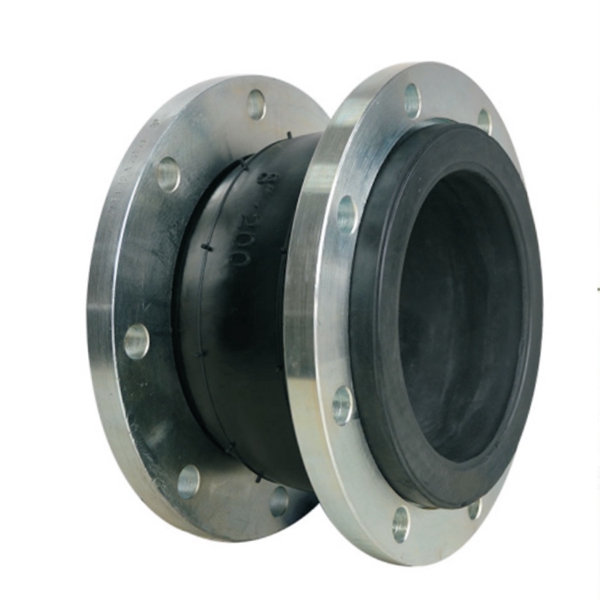
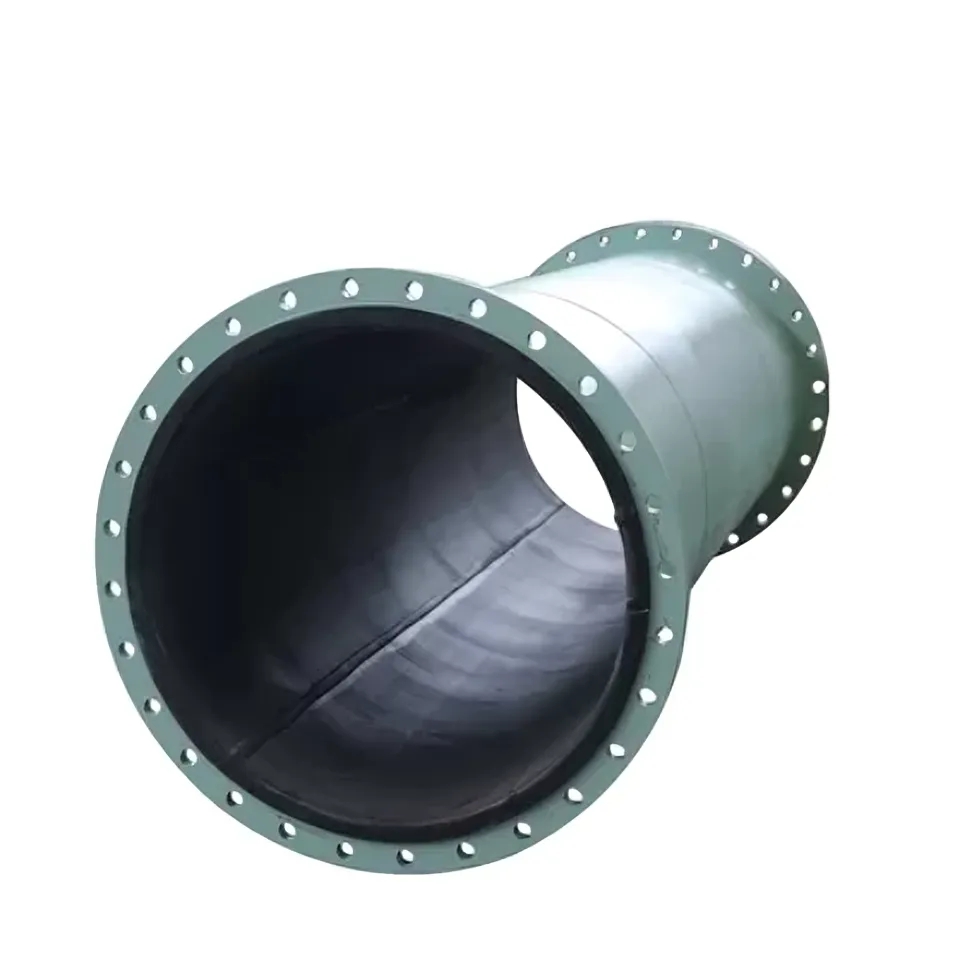
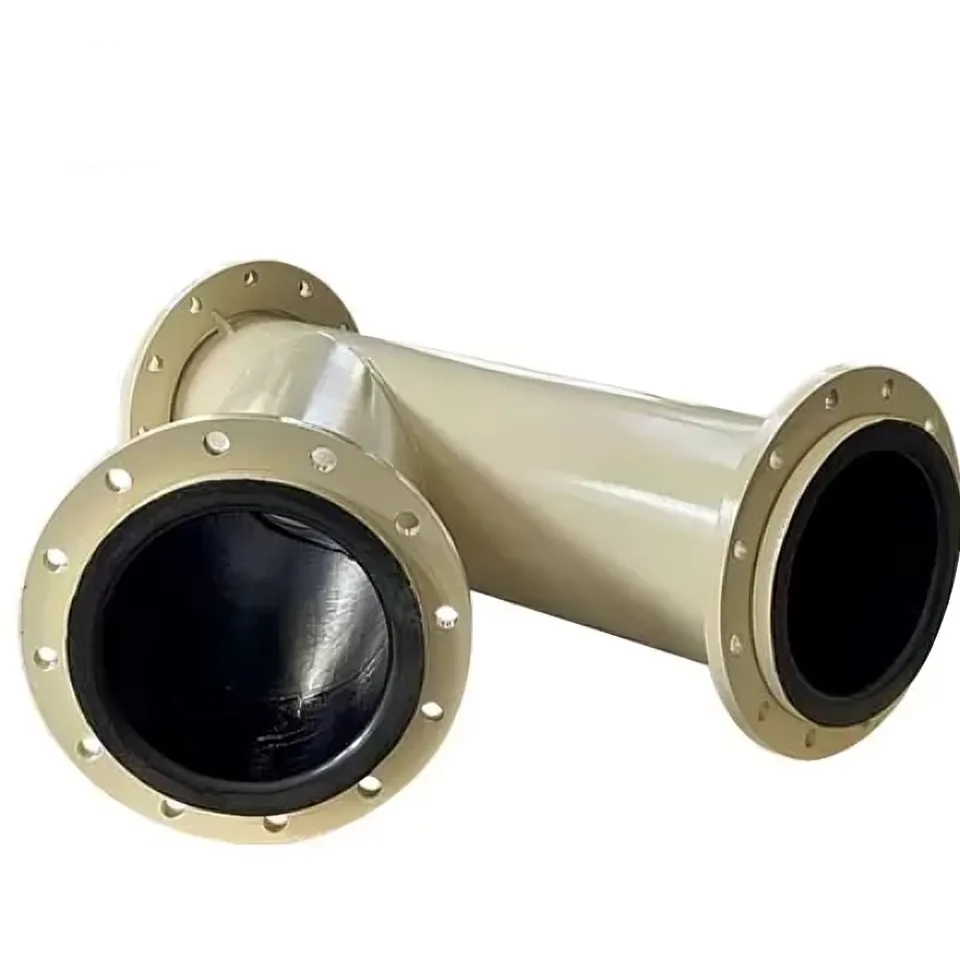
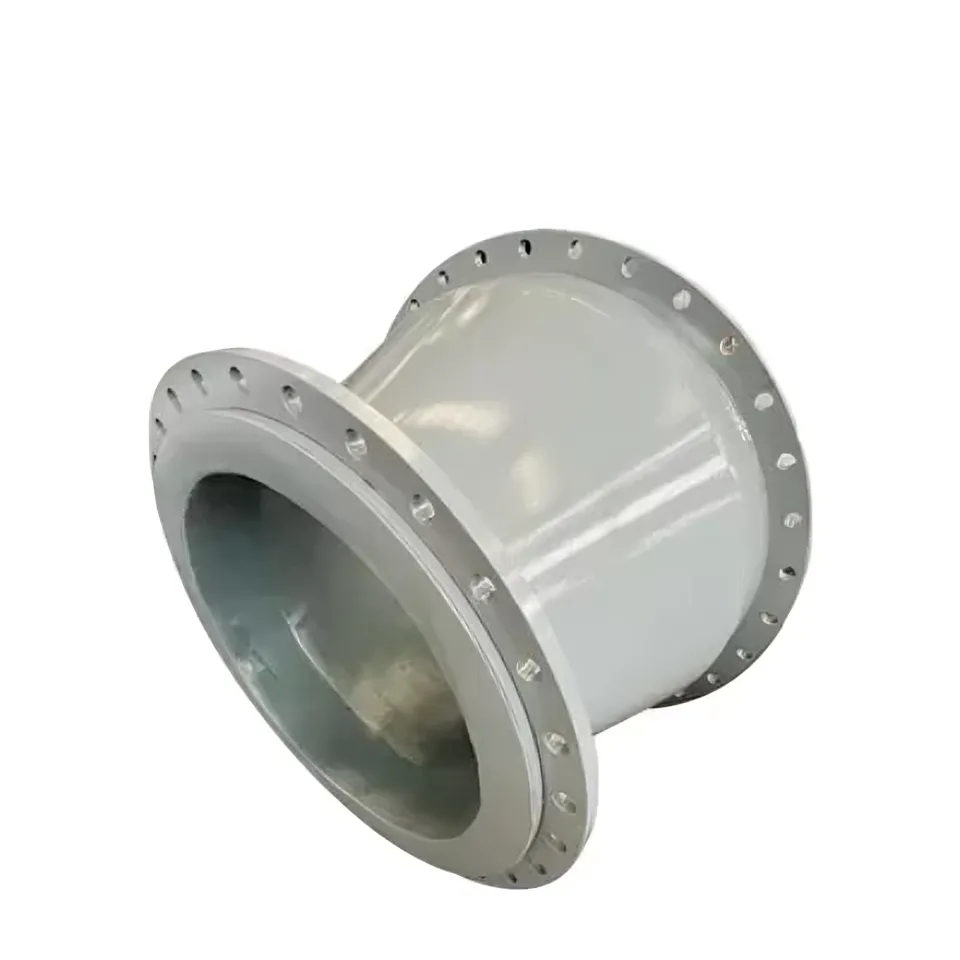
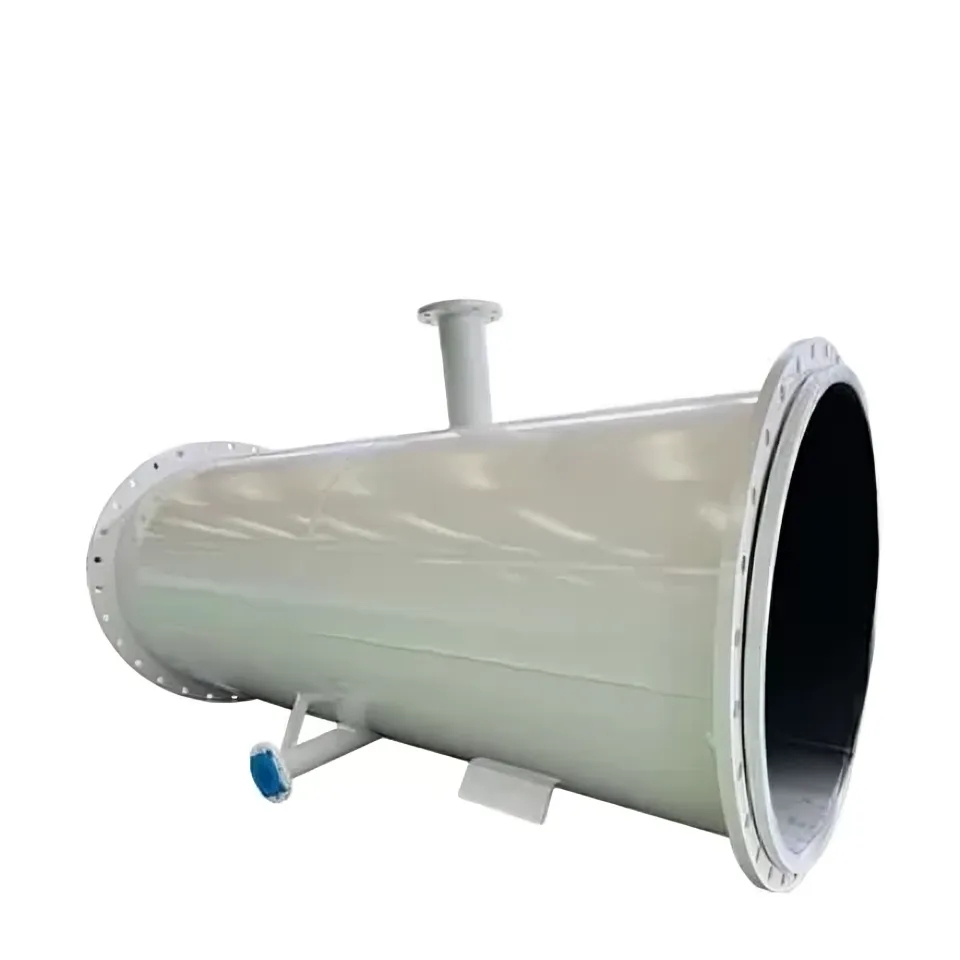
Rubber Lining Pipes

Model No:

High impact resistance

Good anti-abrasion

Fine anti-corrosion

Adapting to wide range of temperature

Less running resistance can reduce energy consumption

Details
Specification
Request a Catalog
FAQ
Product Details

DEVEL rubber lining craftsmen have the skill and experience to rubber line the most difficult projects. The ability to rubber line any fabrication in our facility that can be legally transported on any highway with an oversize shipping permit gives the end user a larger savings on their budget.  DEVEL also offers a complete field lining service at your plant for those projects to large to ship. Our head engineer had been trained in the Japanese rubber lining company for 30 years.

There is a wide variety of materials used in the rubber protection industry. The type of rubber protection is specific to each separate application. Rubbers to inhibit abrasion, and corrosion from harsh chemicals include: Naturals, Gum, Neoprene, EPDM, Nitrile, Ebonite, Hypalon, Triflex, MOR and Chlorobutyl. These rubbers come in different thicknesses and durometers (a measure of how hard the rubber is after being cured). Durometer ratings are critical in the rubber lining applications where abrasion and wear is a concern. DEVEL rubber lining team has the experience and skill set to apply and cure all of the rubbers listed above.


Advantage of rubber lining:

l  High impact resistance;

l  Good anti-abrasion;

l  Fine anti-corrosion;

l  Adapting to wide range of temperature;

l  Less running resistance can reduce energy consumption;

l  Good steel pipe;

l  Light weight, easy to install, maintain and transport;

l  Recycling and reusing.


Using field:

l  Nuclear power

l  Coal power plant

l  Ion exchangers for watertreatment plants

l  Ship building

l  Offshore industry

l  Chemical industry

l  Metal industry

l  Mining industry

Specification


FAQ

What's the DN and PN?

DN (Nominal Diameter) is a standardized size label for pipes/fittings (approximate ID for compatibility, not exact dimension). PN (Nominal Pressure) is the rated pressure capacity (usually in bar, e.g., PN16 = 16 bar). Both specify size and pressure resistance in piping systems.

What's the material?

"Material" refers to the substance or matter from which something is made, such as metal, plastic, wood, etc.

What's the connection(flange or thread)?

"Connection" here refers to how components are joined. Flange uses flat plates with bolts, and thread (threaded connection) uses screw-like ridges for assembly, like in pipes or fittings.

What's the standard(ANSI, DIN, BS, JIS)?

These are industrial standards organizations: ANSI (USA): American National Standards Institute. DIN (Germany): Deutsches Institut für Normung. BS (UK): British Standards. JIS (Japan): Japanese Industrial Standards. They set technical specifications for products (e.g., pipes, flanges, machinery).

What's the medium working with?

"Medium working with" typically refers to the substance or material that flows through or interacts with a system (e.g., pipes, equipment), such as water, gas, oil, chemicals, or air.
Related Products
Clamp Type Rubber Joint
Reduced rubber expansion joint
Molded flange three-sphere rub
Molded double ball rubber join
Molded flange single-sphere ru